Diabetes Mellitus is a major public health concern in Indonesia but research on the future burden and projected trends of the disease remain limited. The burden of Diabetes, one of the major Non-Communicable Diseases (NCD), in term of prevalence and mortality becomes a serious problem in the world as well as in Indonesia. The prevalence of diabetes increased from 2.968 to 5.943 cases per 100.000 population between 1993 and 2019. Meanwhile, the diabetes mortality rate increased from 12,37 to 20,5 deaths per 100.000 population in 1990. In Indonesia, the reported prevalence of diabetes among adults increased from 5,7% in 2007 to 6,9% in 2013 and 8,5% in 2018.
Diabetes prevention and control have been incorporated into Indonesia’s National Health Policy framework including the National Medium – Term Development Plan 2020 – 2024, Strategic Plan of the Ministry of Health 2020-2024, and indicators in the Minimum Service Standards for district government. Furthermore, there are also screening programs including obesity and central obesity, as well as the provision of diabetes-related health service under the minimum service standards (SPM) in accordance with the responsibilities of district government.
The prevalence of diabetes morbidity and mortality in Indonesia is projected to increase significantly between 2020 and 2045. The prevalence of diabetes is projected to increase by 75,1% over 25 years, with an average of 3% from prevalence per year. The number of deaths from diabetes and its complications is projected increase by 117% over 25 years or an average of 4,7% per year.
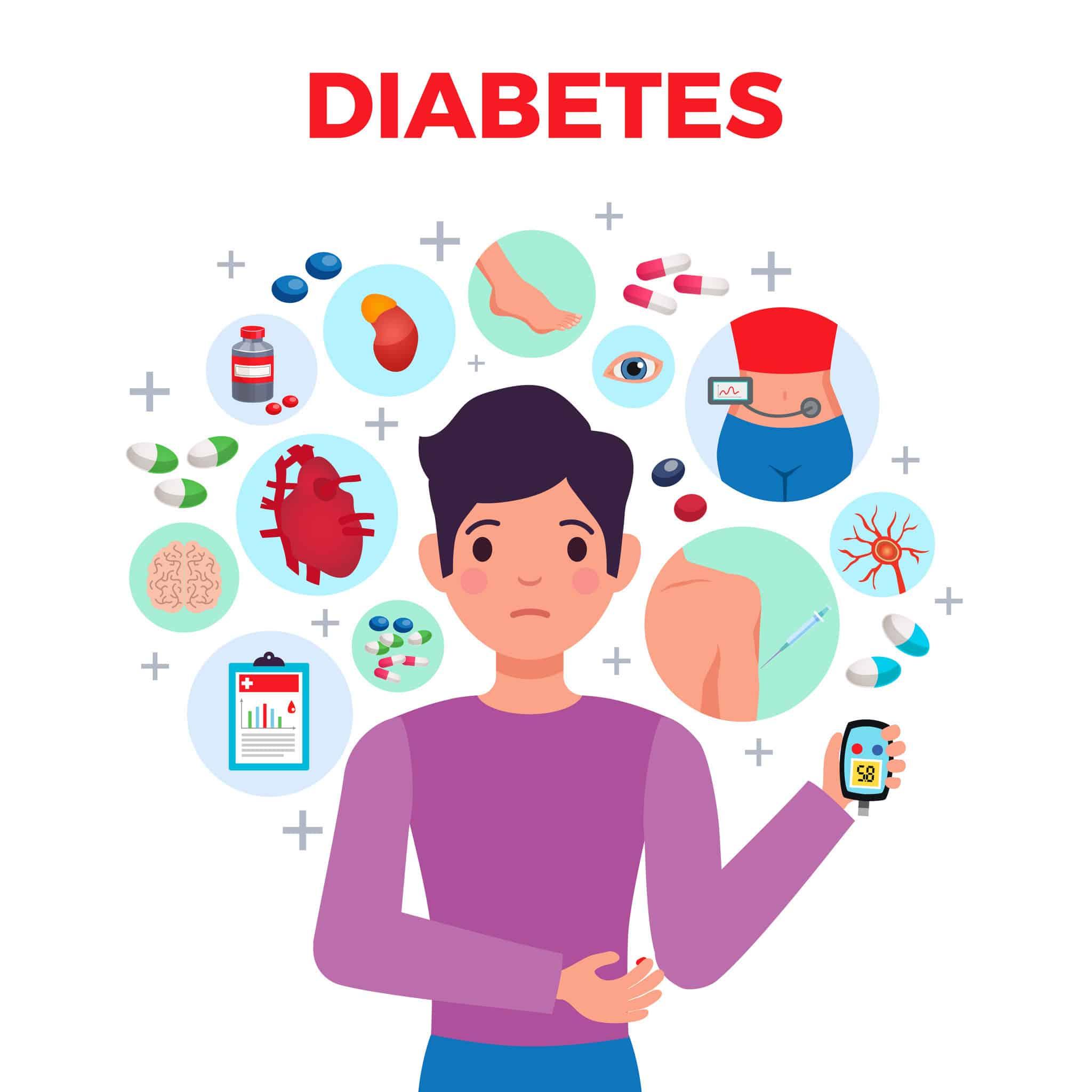
Diabetes mellitus (DM) is a metabolic disease, involving inappropriately elevated blood glucose levels. It develops when your pancreas doesn’t make enough insulin or any at all, or when your body isn’t responding to the effects of insulin properly. Diabetes affects people of all ages. Most forms of diabetes are chronic (lifelong), and all forms are manageable with medications and/or lifestyle changes.
Glucose is a major source of energy for the body and is derived primarily from digestion of dietary carbohydrates. Your blood carries glucose to all your body’s cells to use for energy. When glucose in your bloodstream, it needs help – a “key” to reach its final destination. This key is insulin (a hormone). If your pancreas isn’t making enough insulin or your body isn’t using it properly, glucose builds up in your bloodstream, causing high blood sugar (hyperglycemia).
There are several types of diabetes. The main categories include the following:
A patient with diabetes has the potential for hyperglycemia. The pathology of diabetes can be unclear since several factors can often contribute to the disease. Hyperglycemia alone can impair pancreatic beta-cell function and contributes to impaired insulin secretion. Consequentially, there is a vicious cycle of hyperglycemia leading to an impaired metabolic state. Blood glucose levels above 180 mg/dL are often considered hyperglycemic, though because of the variety of mechanisms, there is no clear cutoff point. Patients experience osmotic diuresis due to saturation of the glucose transporters in the nephron at higher blood glucose levels.
The cause of diabetes include:
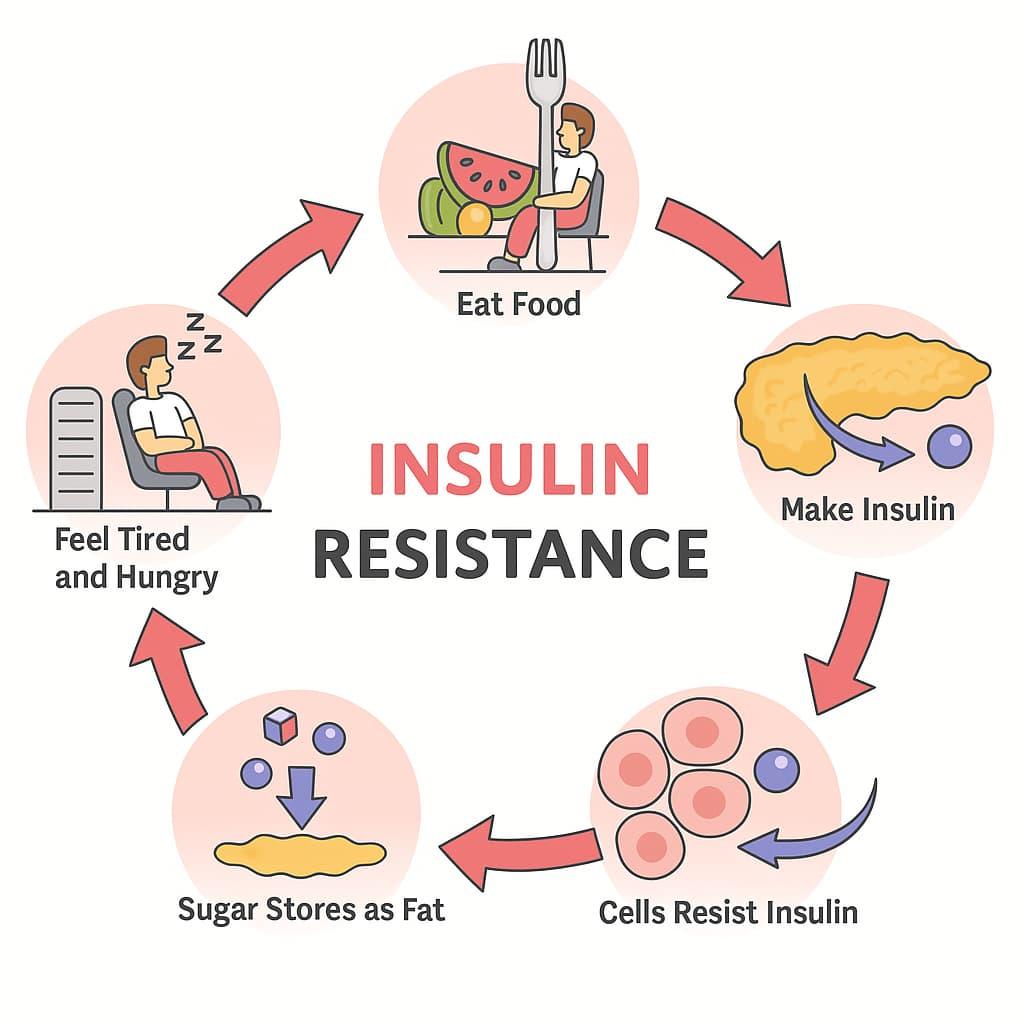
Insulin resistance is attributable to excess fatty acids and proinflammatory cytokines, which leads to impaired glucose transport and increases fat breakdown. Since there is an inadequate response or production of insulin, the body responds by inappropriately increasing glucagon, thus further contributing to hyperglycemia. While insulin resistance in component of T2DM, the full extent of the disease results when the patient has inadequate production of insulin to compensate for their insulin resistance.
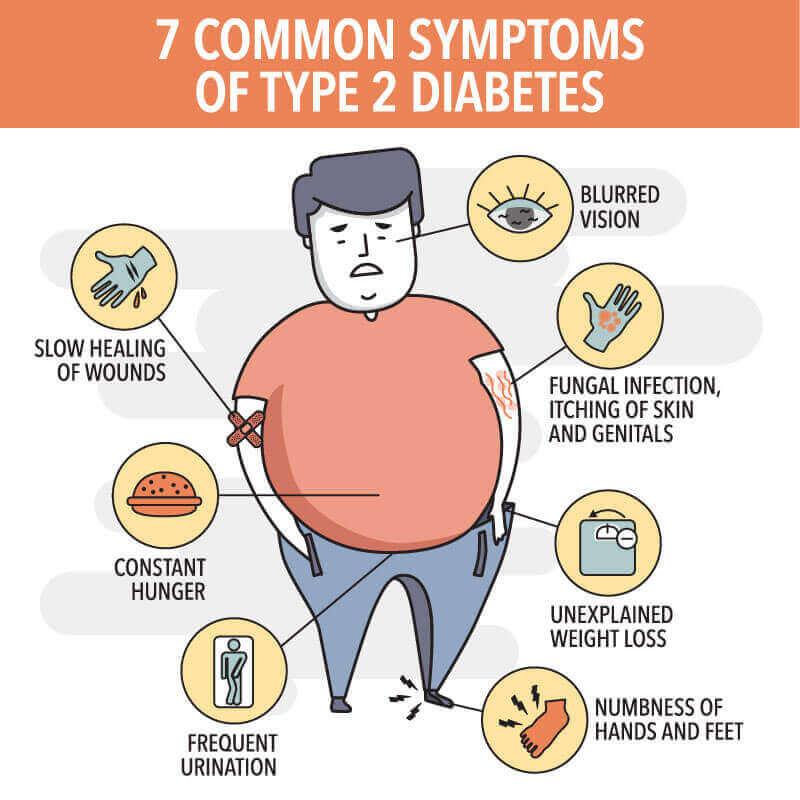
Symptoms of diabetes include:
Additional details about symptoms per type of diabetes include:
What are the complications of diabetes?
Diabetes can lead to acute and long-term complications – mainly due to extreme or prolonged high blood sugar levels.
Acute diabetes complications
Long term diabetes complications
Blood glucose levels that remain high for too long can damage the body’s tissues and organs. It is mainly due to damage the blood vessels and nerves, which support the body’s tissues.
Cardiovascular (heart and blood vessel) issues are the most common type of long-term diabetes complication. They include:
Other diabetes complications include:
Diagnosis and Tests
Healthcare providers diagnose diabetes by checking the glucose level in a blood test. Three tests can measure the blood glucose level:
Early diagnosis can be accomplished through relatively inexpensive testing of blood glucose. Diabetes is a complex condition, so its management involves several strategies. In addition, diabetes affects everyone differently, so management plans are highly individualized. People with type 1 diabetes need insulin injections for survival. One of the most important ways to treat diabetes is to keep a healthy lifestyle.
The four main aspects of managing diabetes include:
For many years, Metformin has been the first line pharmacotherapy preferred in the United Kingdom, Europe and numerous other regions globally, unless contraindicated due to renal impairment or intolerable gastrointestinal side effects.
The multifaceted treatment requirements for T2D extend well beyond glycaemic control, encompassing intensive management of the interconnected cardiovascular risk factors: dyslipidaemia, hypertension, and central obesity. However, monotherapy with Metforrmin consistently fails to achieve target HbA1c levels (≤7,0% for most patients; ≤6,5% for select younger individuals without comorbidities). Failure to achieve rapid glycaemic control in T2D may be compounded by therapeutic inertia, which delays timely intensification of therapy, allowing hyperglycemia to persist.
Dual therapy with Metformin plus any additional agent was significantly more effective than Metformin monotherapy. Sitagliptin and metformin combination is used together with proper diet and exercise to treat high blood sugar levels caused by type 2 diabetes. Sitagliptin helps to control blood sugar levels by increasing substances in the body that make the pancreas release more insulin. It also signals the liver to stop producing sugar (glucose) when there is too much sugar in the blood. Metformin reduces the absorption of sugar from the intestines, reduce the release of stored sugar from the liver, and helps the body use sugar better.

PT Simex Pharmaceutical Indonesia, as one of the pharmaceutical companies in Indonesia, offers MAXSIMET® a fixed dose combination Metformin and Sitagliptin for the management of type 2 diabetes mellitus. By combining complementary glucose-lowering mechanisms, the two active ingredients can help improve glycemic control when combination therapy is clinically indicated. MAXSIMET® are available in two dosage, MAXSIMET® - 500 (Metformin 500 mg and Sitagliptin 50 mg) and MAXSIMET® - 1000 (Metformin 1000 mg and Sitagliptin 50 mg).
Reference
Antar SA., Ashour NA., Sharaky M., et.al. 2023. Diabetes mellitus: Classification, mediators, and complications; A gate to identify potential targets for the development of new effective treatments. Biomedicine & Pharmacotherapy 168 (2023) 115734.
Wahidin M., Achadi A., Besral B., Kosen S., et.al. 2024. Projection of diabetes morbidity and mortality till 2045 in Indonesia basen on risk factors and NCD prevention and control programs. Scientific Reports (2024) 14:5424.
Kelly M., Saluja S., Ellis HL., et.al. 2026. A systematic review and meta-analysis of the relative benefit of dual versus single oral hypoglycaemic therapy following diagnosis with type 2 diabetes (T2D). Diabetic Medicine, 2026; 43:e70337
Hayes J., Anderson R., Stephens JW. 2016. Sitagliptin/metformin fixed-dose combination in type 2 diabetes mellitus: an evidence-based review of its place in therapy. Drug Design, Development and Therapy 2016:10 2263-2270
https://my.clevelandclinic.org/health/diseases/7104-diabetes
https://www.ncbi.nlm.nih.gov/books/NBK551501/
https://www.who.int/news-room/fact-sheets/detail/diabetes
https://hospitalsmagazine.com/making-life-easier-and-smoother-for-diabetic-patients/
https://www.startstemcells.com/diabetes-type2-treatment.html
https://prescriptionhope.com/blog-what-is-the-difference-between-type-1-and-type-2-diabetes/
https://www.drjpkotlasmedicalcentre.com/type-2-diabetes-treatment.php
https://newsinhealth.nih.gov/2014/11/preventing-type-2-diabetes